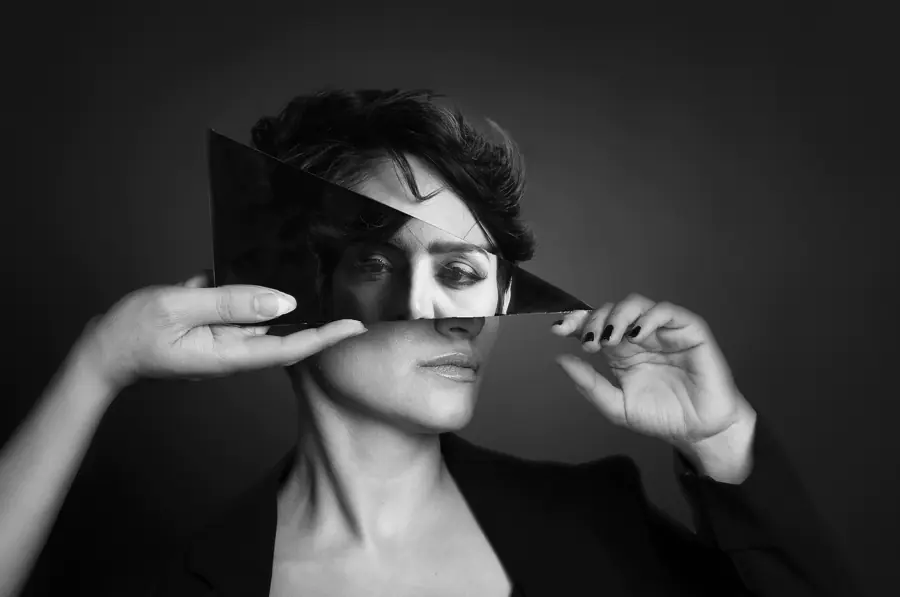
Texture Over Tone:
Why Inclusivity in
Skincare Marketing
Isn't Enough
Are brands actually fixing skin — or just selling a beautifully filtered mirror?
Skin tone representation is the industry's starting point. The real work of skincare marketing inclusivity has barely begun.
Let's Start with the Filtered Fantasy
Here's a question that should sit uncomfortable on every creative brief: Why can a serum cost more than a plane ticket — and still fail the consumer on the one morning it matters most? It is the central paradox of skincare marketing inclusivity — a term the industry uses freely, and delivers on only partially.
We are a creative agency. We understand production. We know what a $50,000 lighting rig does to skin on camera. We know what a well-placed fill light and a precision lens achieve in 8K. We know exactly how those tools sculpt perception, manufacture aspiration, and sell a feeling in under 30 seconds.
We also know when craft stops serving the consumer — and starts serving the illusion.
The industry is full of what we identify as skincare marketing tricks — creative storytelling techniques designed to communicate emotion, aspiration, and identity through visuals. When deployed with intention, they build extraordinary brand narratives. When they are overproduced, they create a gap: between what the consumer sees in the campaign, and what actually shows up in the mirror at 7am.
And the gap is widening. Inclusive beauty marketing has made measurable progress in recent years. But progress on representation alone is not the same as progress on relevance. The two are not interchangeable. The industry has largely confused them.
At some point, a brand stops selling a formula. It starts selling a dream that was carefully edited in post-production.
Synapse2Strategy — Brand Perspective
The Gap Between Beauty Campaigns and Real Skin
Consider the experience of a South Asian consumer watching a skincare campaign. She sees a model who shares her complexion. She feels the campaign reaching for her. The inclusive beauty marketing worked — on the surface. She is in the room. Represented, at least visually.
But her skin asks questions the campaign has not answered. And it asks them immediately:
| → | Does this model carry the same skin texture — the bumps, the uneven patches, the dry zones that no filter can negotiate away? |
| → | Is this formula built for the hyperpigmentation that is part of her heritage — or for a different skin biology entirely? |
| → | How does this serum perform in humidity? In hard water? In a morning routine that has four minutes, not forty? |
| → | Is this campaign built for South Asian skin concerns — or is it a diverse face placed on a formula designed for someone else? |
These are not niche questions. They represent the mainstream experience of billions of global consumers. And most diverse skincare campaigns do not go near them. Representation without relevance is not inclusivity. It is casting.
The industry has successfully expanded the visual diversity of campaign faces. What it has not yet solved is the deeper question: are the products, formulations, and communications themselves truly inclusive? Skin tone is the entry point. It is not the destination.
Skin Tone vs. Skin Texture — Why the Difference Matters
What Inclusive Beauty Marketing Should Actually Look Like
The progress brands like The Ordinary and Glossier have made through diverse skincare campaigns is genuine and worth acknowledging. The Glossier skin inclusivity work advanced the industry's visual language in meaningful ways. That progress matters.
But there is a distinction the industry needs to name precisely: skin tone is visibility. Skin texture representation is relevance. They are not the same achievement.
The bumps. The dry patches. The oily zone that appears regardless of a careful routine. The hyperpigmentation mark that persists three weeks after a breakout. The pores that expand in heat. These are the details that real skin carries every day — and they are the details that most brand campaigns still airbrush into oblivion before the file reaches a screen.
The opportunity: Brands that move beyond skin tone to genuine skin texture representation will own the next era of consumer trust and loyalty.
This is where the next generation of skincare marketing inclusivity must move. Not a broader cast of faces alone — but a broader vocabulary for what skin actually is, how it actually behaves, and how products actually perform across its full, textured, unpredictable range.
Campaigns that break down formulation performance by skin texture — not just skin tone. Content that communicates how a serum behaves on combination skin differently from dry or oily skin. Brand education that does not collapse every skin concern into a single aspirational image. Brands that do not just show diverse faces — but tell diverse skin stories.
That is when inclusive beauty marketing stops being a visual strategy and becomes a brand philosophy. That is the shift the market is ready for — and the shift we push our thinking toward.
The Genius Opportunity Brands Are Leaving on the Table
Fifty shades of foundation models is a brilliant act of marketing. It reshaped category expectations and became a cultural reference point. As an industry achievement, it deserves its recognition.
But skincare marketing has access to a different — and deeper — opportunity. Skincare is not about covering the skin. It is about changing it, over time, through consistent biological intervention. That distinction opens the door to something no foundation campaign can offer: the skin journey narrative.
Instead of campaigns anchored only in appearance, the next generation of authentic beauty brands will build campaigns anchored in education, biology, and honest transformation. Not a polished before-and-after. The real story — what happens in week one, week four, and week twelve. What the formula actually does at the cellular level. Why it works — not just what it retails for.
Skincare isn't fashion. It's biology. And that is where the next generation of skincare marketing can truly shine.
— Synapse2Strategy
The brands that understand this distinction are building beauty brand transparency as a core campaign pillar — not a compliance footnote. They will own the next decade of consumer trust. Because a consumer who understands why a product works becomes a consumer who believes in it. And a consumer who believes in it tells everyone around her.
Stop Selling the Dream. Start Selling the Truth.
There is an archetype we observe repeatedly: a brand with a stunning visual identity, a campaign that earns industry awards, and a consumer retention problem. The aesthetic works. The product truth is absent. The consumer comes once — because the campaign was beautiful — and does not return, because the product did not deliver the dream it sold.
This is the cost of style without substance. And it is entirely avoidable. Here is what we would tell any skincare brand sitting across the table from us:
These are not production notes. They are strategic imperatives.
If your serum targets hyperpigmentation, show hyperpigmentation — unretouched, in natural light, at day one and day thirty. The consumer recognises her own skin far faster than she recognises aspiration. That recognition is where trust begins. Stop casting toward the dream. Cast toward the reality your product addresses.
A consumer with combination skin needs different messaging than a consumer managing dry patches or chronic oiliness. Build content that acknowledges this. Develop tutorials, formulation explainers, and routine content broken down by skin texture — not just by complexion. A single hero image collapsed across all skin concerns is not skin texture representation. It is laziness with good lighting.
Look at what The Ordinary Salicylic Acid communicates at every touchpoint: ingredient transparency, clinical clarity, and education as campaign content. The product is not dressed up — it is explained. That explanation is the entire brand strategy. Consumers are not unintelligent. Give them that understanding and you earn something no campaign aesthetic can buy.
Every consumer has had the experience: heading somewhere important, a breakout arrives uninvited. If the product in the cabinet genuinely handled that moment, it deserves to be at the centre of the brand story. Real skin in advertising is not the absence of craft. It is craft deployed with a different intention — to show the consumer her own reality, not an edited version of someone else's.
Tell the consumer what is in the formula — and what it cannot do. Set honest expectations for what week one looks like versus week eight. A brand that tells the truth about its product's limitations earns more trust than a brand that overpromises on every touchpoint. Honesty is not a risk to manage. It is the most durable brand positioning available in this market.
When Authentic Beauty Brands Get It Right
The best authentic beauty brands understand something that most campaign briefs still miss: production quality and honesty are not opposites. They are a creative partnership. A beautifully made film can tell a true story. A high-resolution image can show real skin. The tools of aspiration do not have to be in service of fiction.
When beauty brand transparency becomes a design principle rather than a legal requirement, everything in the brand ecosystem shifts. The campaign language becomes more specific. The product education becomes more honest. The consumer communication becomes less about persuasion and more about partnership.
And partnership lasts. Persuasion has a very short shelf life.
Stop dating the consumer with a profile photo. Show her who the brand actually is — and what the product actually does at 7am when it matters.
Synapse2Strategy
The brands that earn permanent places in real routines — not just real feeds — are the ones that show the skin journey honestly. The unsexy consistency of week one. The early signs of progress in week three. The quiet confidence of month two. These are not the campaigns that win awards. They are the campaigns that win consumer trust. And consumer trust is what a business is actually built on.
Five Things the Industry Needs to Hear
-
01Real skin texture representation matters — not just tone
Pores, bumps, patches, and breakouts are not production problems to solve before publishing. They are the honest starting point of every skincare story worth telling. Build campaigns around them.
-
02Diverse models are the baseline — not the finish line
Diverse skincare campaigns that stop at face-casting miss the deeper opportunity: demonstrating how products perform across real, varied skin concerns — hyperpigmentation, combination skin, sensitivity, and texture.
-
03Beauty brand transparency is the strongest competitive edge available
The consumer does not need another aspirational face. She needs to know what is in the formula and whether it will perform on her actual skin. Honesty earns the routine. Aesthetics earn the click. Only one builds a business.
-
04Skincare marketing should educate, not just inspire
Tell the consumer why the serum works. Explain what the ingredient does at the skin level. Help her understand what she is putting on her face — and she will become the most loyal and vocal advocate the brand has ever had.
-
05Authentic beauty brands win on the long game
The brands that show real skin journeys — the 30-day reality, the unsexy consistency of a routine, the moment the product actually performed when needed — are the ones that earn permanent places in real routines. Not just real feeds.
Frequently Asked Questions
What is skincare marketing inclusivity?
Skincare marketing inclusivity goes beyond diverse casting. True inclusivity means building campaigns, formulations, and communications that serve consumers across all skin tones, skin textures, and skin concerns — including hyperpigmentation, combination skin, sensitivity, and conditions common to South Asian, melanin-rich, and textured skin types. Representation without relevance is not inclusivity.
What is the difference between skin tone and skin texture representation in advertising?
Skin tone representation refers to showing diverse complexions in campaign imagery. Skin texture representation means showing real skin as it actually exists — pores, dry patches, hyperpigmentation, blemishes, and natural unevenness. Most diverse skincare campaigns have achieved the former but continue to airbrush away the latter, creating a gap between campaign promise and consumer reality.
Why does beauty brand transparency matter for skincare?
Beauty brand transparency — communicating ingredients, expected timelines, and honest product limitations — is the most durable competitive positioning available to skincare brands. Consumers who understand why a formula works become long-term loyal advocates. Brands that overpromise and under-deliver lose consumers after a single purchase.
What makes an authentic beauty brand?
Authentic beauty brands combine production quality with product truth. They show real skin in advertising, educate consumers on ingredient function, segment their content by skin texture rather than only skin tone, and treat transparency as a core brand pillar — not a legal requirement. The result is consumer trust that compounds over time, not just attention that spikes on launch day.
This is how we think.
Start to Standout.